

Why Clean Records Sound Better
There is a particular moment every collector knows. You pull a beloved LP from its sleeve, drop the needle, and instead of the warm, open sound you remember, you get a crackle like someone frying bacon in the next room. Nine times out of ten, the culprit is not wear and tear. It is dust, grit and the residue of fingerprints sitting deep in the groove, forcing the stylus to ride roughshod over the music.
The good news is that you do not need a specialist cleaning machine or an expensive bottle of branded fluid to fix this. A handful of everyday household items, used carefully, will lift the muck out of your records without harming the vinyl or the label. The key word is carefully: vinyl is soft, and the grooves that carry the music are measured in fractions of a hair's width. Treat every record as though it were irreplaceable, because some of yours will be.
Gather the Right Kit First
Before you touch a record, assemble everything you need on a clean, well-lit table. Working in a hurry is how damage happens. You will want:
- Distilled or deionised water – sold cheaply in supermarkets and car accessory shops. Tap water contains minerals and chlorine that leave a chalky residue in the grooves, so keep it out of the equation.
- A soft carbon-fibre or microfibre brush – a dedicated record brush is ideal, but a clean, soft makeup brush or a camera lens brush works well for dry dusting.
- Mild, unscented washing-up liquid – a single drop is plenty. Avoid anything with added moisturisers, essential oils or heavy perfumes.
- Two or three microfibre cloths – the sort sold for cleaning glasses or polishing cars. Wash them separately from fabric conditioner, which leaves a waxy film.
- A spray bottle – a small, clean one that has held nothing but water.
- A soft towel or drying rack – for resting records while they air dry.
The Dry Clean: Your First Line of Defence
Most surface noise can be dealt with before any liquid comes out. Every time you play a record, the stylus scrapes microscopic debris from the groove, and a quick dry brush removes the bulk of it. Hold the record by its edges and label, never touching the playing surface, and rest it on a clean surface. Place your brush lightly on the vinyl and let the record rotate on the turntable at normal speed, drawing the brush gently from the centre outwards. The bristles should barely graze the surface.
Work in one direction only, so you are sweeping dust off rather than shuffling it around. Tap the brush clean afterwards, and give it a rinse in distilled water every few weeks. This thirty-second habit, done before every play, will spare you most of the deep cleans later on.
Wet Cleaning with Distilled Water and a Drop of Soap
For records that crackle stubbornly, a wet clean is the answer. Fill your spray bottle with distilled water and add one small drop of mild washing-up liquid. Screw the top on and swirl gently – you want a faintly slippery solution, not a bubbly one. Excess foam is difficult to rinse away and leaves its own residue.
Lay the record flat on a clean microfibre cloth. Mist the playing surface lightly, keeping the spray well away from the label; if any liquid does creep towards the centre, blot it immediately. Take a second microfibre cloth, folded into a pad, and wipe in a circular motion that follows the groove – never across it. Use light pressure and let the cloth do the work.
Then rinse. Mist the record with plain distilled water and wipe again with a fresh, damp cloth to remove every trace of soap. This step matters more than the cleaning itself. Soap left in a groove attracts dust like a magnet and dulls the high frequencies.
Finally, stand the record on its edge against something stable, or rest it on a drying rack, and let it air dry for ten to fifteen minutes. Do not be tempted to speed things up with a hairdryer or a radiator; heat warps vinyl faster than almost anything else. Once dry, return it to a fresh inner sleeve.
Dealing with Stubborn Marks and Labels
Fingerprints and light grease respond well to a little extra patience rather than extra force. Dampen a corner of your microfibre cloth with distilled water and work gently at the mark, following the groove, then rinse as normal. A tiny amount of isopropyl alcohol, diluted and used sparingly, can shift stubborn grime, but it should be a last resort and never used on shellac 78s.
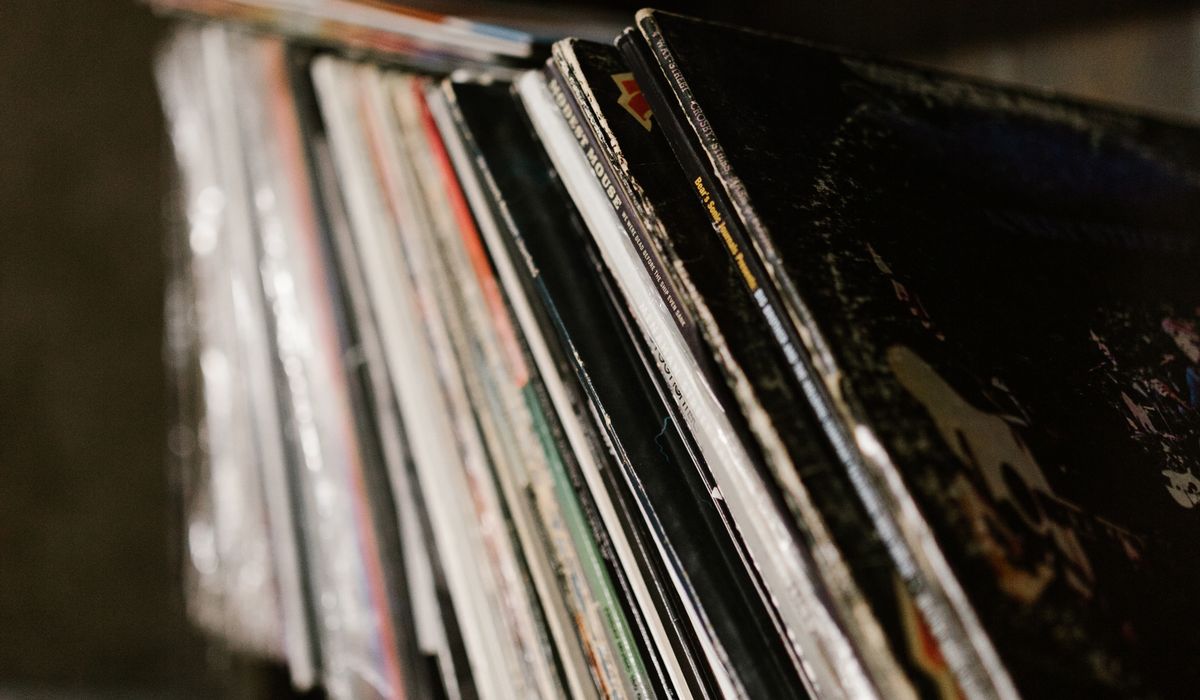
Take equal care with the label. Water will lift the ink and wrinkle the paper, so keep all liquid on the playing surface. If a label is dusty, brush it dry with a soft-bristled brush rather than wiping it. Sleeves deserve attention too: replace tatty paper inners with anti-static ones, and store records vertically, never stacked flat, so the weight does not press grit into the grooves.
A Simple Routine That Protects Your Collection
Good vinyl care is really a set of small habits rather than an occasional deep clean. Brush before every play, keep the stylus clean with a dry brush of its own, wet clean only when crackle persists, and always handle records by the edge and label. Store them upright, out of direct sunlight and away from radiators.
The rewards are worth it. A clean record tracks properly, so your stylus and your vinyl both last longer, and the music emerges the way the artist intended – warm, detailed and free of interference. Whether you are rescuing a charity-shop find or tending a collection built over decades, a bottle of distilled water, a soft cloth and a little patience will keep the music alive for years to come.


Coding is used in almost all aspects of life and work now, be it directly or indirectly. It’s not just for companies in the tech sector. “An increasing number of businesses rely on computer code,
Coding is used in almost all aspects of life and work now, be it directly or indirectly. It’s not just for companies in the tech sector. “An increasing number of businesses rely on computer code,
Coding is used in almost all aspects of life and work now, be it directly or indirectly. It’s not just for companies in the tech sector. “An increasing number of businesses rely on computer code,