

The gatekeepers and the long-playing album
Before punk, British record collecting was an orderly pursuit. The major labels decided what was pressed and what reached the shops, and the hierarchy they enforced was clear. The album sat at the top of the pile; the single was a promotional tool, a thing you played on the jukebox and forgot. Serious collectors hunted matrix numbers and label variations in jazz, blues and early rock and roll, but they did it inside a system that told them what mattered. If you wanted something that had not been approved, you waited for an import, a bootleg, or a friend with better connections.
The single as the unit of DIY
Punk broke that hierarchy almost at once, and it did so with the seven-inch single. Once the equipment was cheap enough and pressing plants would take small runs, the single became the natural format for a band with three songs and no patience. Five hundred copies was achievable. The sleeve could be a photocopy folded by hand. The label could be stamped, typed, or left deliberately blank, and the band stuffed the records into paper bags themselves.
For collectors, this changed everything. What you held was no longer a mass-produced commodity — it was evidence that someone had done it themselves. These singles were made in tiny numbers, with paper sleeves that tore, inserts that got lost and labels that faded. That fragility is exactly why so many are now desirable: the ones that survived were looked after, and there simply are not many left.
Fanzines: the network that made collecting social
The records needed a distribution network, and the fanzine supplied it. Photocopied, stapled and posted for the price of a stamp, these homemade magazines did more than review gigs. They carried addresses, want lists and back-page adverts from readers with a spare copy to swap, a tape to trade or a shop to recommend. In a pre-internet Britain, this was the infrastructure of an entire underground.
Collectors soon learned the fanzines were worth keeping. A first issue printed in a few hundred copies and sold at gigs is now a record of a scene as much as any single. Many were thrown away within weeks — read on the bus, left on a pub table, used to wrap something else. Complete runs are rare, and tidy individual issues are quietly sought after. If you inherit a box, resist the urge to recycle.
Independent labels and the shops that carried them
The independent labels that grew out of the scene worked on a shoestring and on trust. Records went out on sale or return: shops took a dozen copies and paid for what sold. Bands answered letters at kitchen tables, and mail order was a lifeline for anyone outside the big cities. The independent shop became the hub — part record stall, part noticeboard, part social club. Staff knew what was coming, held copies back for regulars and could tell you which pressing was which.
- Small runs: pressings of a few hundred were normal, so scarcity was built in from the start.
- Regional variations: different shops sometimes received different sleeves or inserts.
- Flexi discs: flimsy, easily creased, and often the only artefact a band ever released.
- Split singles: two bands, one record, an instant collectable and a point of pride for both.
What punk taught collectors to look for
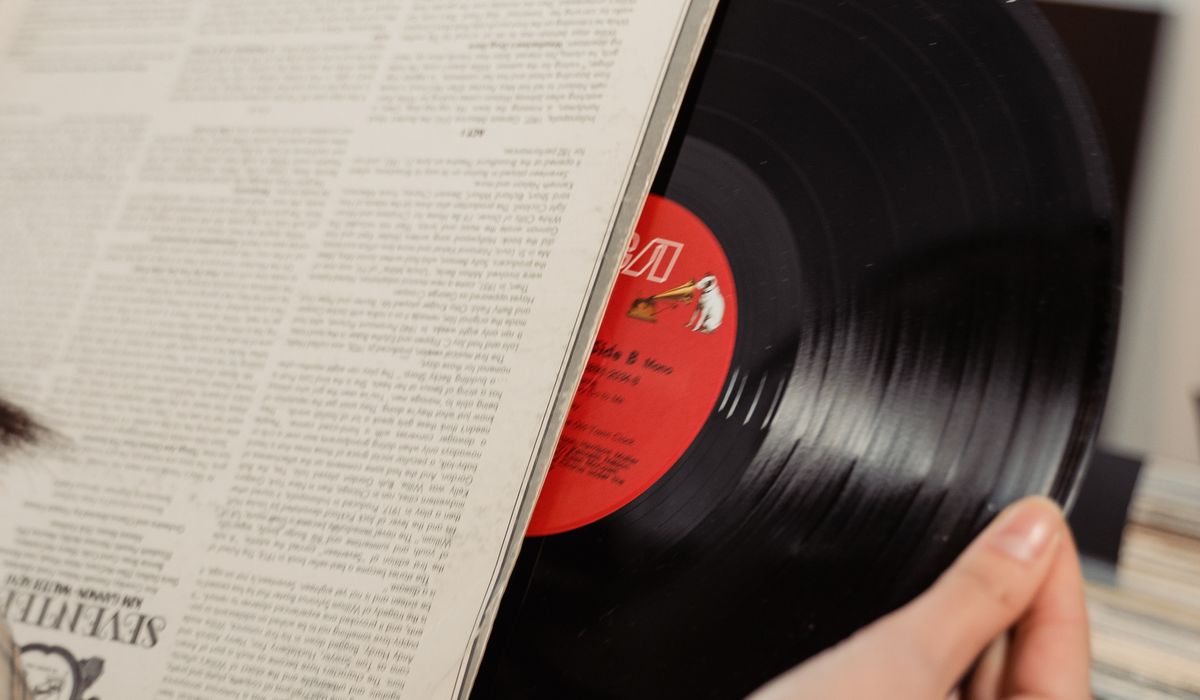
Four decades on, the habits punk instilled are still the right habits. Learn to read the dead wax, the run-off area between the last track and the label. Look at the label itself: a stamped or typed variant often signals an early pressing. Check the sleeve for a photocopied insert, a lyric sheet, a numbered stamp or a name written in biro. Inspect the paper as carefully as the record — with this material it usually tells you more about the pressing than the vinyl does.
Be wary of reissues passed off as originals. Compare fonts, paper stock and the weight of the card. A laminated or glossy sleeve is probably later than the photocopied original beside it. Buying online, ask for photographs of the labels and the dead wax rather than trusting a description.
Keeping the culture alive
Store records upright, not stacked, out of direct sunlight and away from radiators. Swap tight PVC outer sleeves for polyethylene; the plasticisers in PVC can leach and leave a greasy residue on the sleeve. Keep paper inserts in the outer sleeve rather than against the record.
Most importantly, treat the whole ecosystem as collectable, not just the records. The fanzine, the gig flyer, the hand-stamped sleeve, the setlist scrawled on the back of a beer mat — each is a fragment of a scene that deliberately kept no archives. The DIY ethic that made these records hard to find is the same ethic that makes finding them satisfying. Buy from the shop, swap with the person behind the counter, pass on what you know. That is how this culture has always survived.


Coding is used in almost all aspects of life and work now, be it directly or indirectly. It’s not just for companies in the tech sector. “An increasing number of businesses rely on computer code,
Coding is used in almost all aspects of life and work now, be it directly or indirectly. It’s not just for companies in the tech sector. “An increasing number of businesses rely on computer code,
Coding is used in almost all aspects of life and work now, be it directly or indirectly. It’s not just for companies in the tech sector. “An increasing number of businesses rely on computer code,